What Do Mortgage Lenders Look At? Here’s the Simple Breakdown:
If you’re getting ready to buy a home, you’ve probably heard a dozen different opinions about what it takes to qualify for a mortgage. The good news? Lenders are really just looking at five main things. Once you understand them, you can start preparing months before you ever submit an application.
Here’s what goes into the decision — and a few tips for getting each piece in shape.
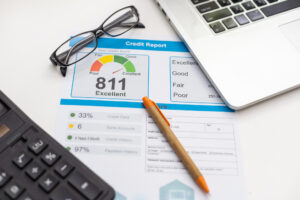
1. Your Credit Score
Your credit score is one of the first things a lender checks, and it plays a big role in both whether you qualify and what interest rate you’ll get. A higher score generally means a lower rate, which can save you thousands over the life of your loan.
Quick tip: Pull your credit report ahead of time and check for errors. Paying down credit card balances a few months before applying can also give your score a boost.
Credit tip: You can check your credit for free at www.AnnualCreditReport.com (the only site authorized by federal law for free reports from all three bureaus) or through free score monitoring offered by most banking apps.
2. Your Income and Employment History
Lenders want to see steady, reliable income — typically two years of consistent employment or self-employment history. If you’ve recently changed jobs or careers, it’s not necessarily a dealbreaker, but be prepared to explain the change.
Quick tip: Gather recent pay stubs, W-2s, and tax returns now so you’re not scrambling later.
3. Your Debt-to-Income Ratio (DTI)
This is the percentage of your monthly income that goes toward debt payments — things like car loans, student loans, and credit cards. Most lenders want this number to stay under a certain threshold, so a high DTI can limit how much you’re able to borrow.
Quick tip: Paying down a credit card or auto loan before applying can meaningfully improve your DTI.
4. Your Down Payment and Savings
How much you put down affects your loan options, your monthly payment, and whether you’ll need private mortgage insurance (PMI). But it’s not just about the down payment — lenders also like to see extra savings, often called “reserves,” to show you can cover a few months of payments if needed.
Quick tip: Even a modest down payment can open more loan programs than you might expect , it’s worth talking through your options.
5. The Property Itself
Finally, lenders look closely at the home you’re buying. An appraisal confirms the home is worth what you’re paying, and depending on the loan type, the property may need to meet certain condition standards.
Quick tip: Working with an experienced local agent helps you avoid properties that might run into financing snags down the road.
The Bottom Line
None of this needs to feel overwhelming. The earlier you start preparing, checking your credit, organizing your documents, and getting a feel for your budget, the smoother the process will be when you’re ready to make an offer.
If you’re thinking about buying a home, getting pre-approved is a great first step. It gives you a clear picture of what you can afford and shows sellers you’re a serious buyer.